Building a secure household starts with understanding how small vulnerabilities compound. Regular upkeep transforms a stressful living space into a calm, resilient sanctuary where children and adults thrive. Proactive measures give you peace of mind long before minor issues transform into costly structural emergencies.
What Hidden Biological Hazards Lurk in Your Living Spaces?
Indoor air quality and hidden biological contaminants impact every breath your family takes inside the house. Mold spores, dust mites, and pet dander accumulate silently in poorly ventilated bathrooms, damp basements, and dark crawlspaces. Controlling indoor humidity levels prevents mold colonies from expanding behind drywall and flooring.
How Do Structural Risks Compromise Your Daily Safety?
Foundation shifts and weakened load-bearing elements threaten the physical safety of your entire property. Small hairline cracks in masonry often signal larger settling issues beneath the surface. Addressing these structural red flags early preserves the stability of your home framework.
Routine property assessments help you catch settling issues before walls warp or doors stick in their frames. Rebuilding Together notes that nearly 33% of residents who completed essential home repairs experienced immediate improvements in daily functionality and household comfort. Ensuring your physical structure remains sound gives your family a secure foundation for everyday life.
How Do You Execute Safe Residential Pest Eradication?
Unwanted insects and rodents create both sanitary and structural hazards inside your living quarters. Keeping pests away requires safe, family-friendly eradication methods that protect children and pets from toxic exposure. When tackling stubborn infestations, partnering with experts like Sequoia Pest Solutions gives your household the professional edge needed to restore safety. These licensed specialists use targeted treatments that eliminate pests without introducing harsh chemicals into your living spaces.
Choosing eco-friendly pest management safeguards your indoor air quality while solving persistent infestations. Sealing entry points around windows and doors blocks future pests from entering your home. You build a resilient barrier by combining smart exclusion tactics with professional oversight.
Why Pre-Purchase Property Inspections Change Everything
Buying a house involves looking past fresh paint and modern staging to uncover what lies underneath the surface. Professional evaluators check foundations, electrical panels, and plumbing lines for hidden faults before you sign official paperwork. Spotting these red flags early saves your family from inheriting dangerous safety liabilities.
A thorough inspection also gives you real negotiating power, since documented defects can justify a lower offer or repairs paid by the seller. Just as importantly, the written report becomes a roadmap for future maintenance, helping you budget for big-ticket items before they fail.
When Should You Schedule Routine Family Property Checks?
Setting a recurring calendar schedule for home reviews keeps maintenance tasks from falling through the cracks. Seasonal shifts bring unique environmental pressures that test your roof, gutters, and window seals. Conducting a walkthrough every spring and autumn catches weather-related damage right away.
Beyond those two key seasons, it helps to do quick monthly checks of smoke detectors, filters, and visible leaks. Keeping a simple written log of each inspection makes it easy to track recurring problems and completed repairs.
What Makes Pest Control Strategies Family-Friendly?
Modern approaches focus on targeted interventions rather than heavy chemical blankets that linger in living areas. Safe treatments prioritize non-toxic applications and preventive barriers that stop critters from returning. Protecting your kitchen and sleeping quarters requires methods that target bugs without harming children or pets.
Sealing cracks, storing food in airtight containers, and trimming vegetation away from the foundation all reduce the need for chemical treatments in the first place. If professional help is needed, ask providers about integrated pest management plans and the specific products they use. Choosing these safer options lets you keep your home protected while safeguarding the health of everyone who lives there.
How Can Simple Physical Modifications Prevent Accidents?
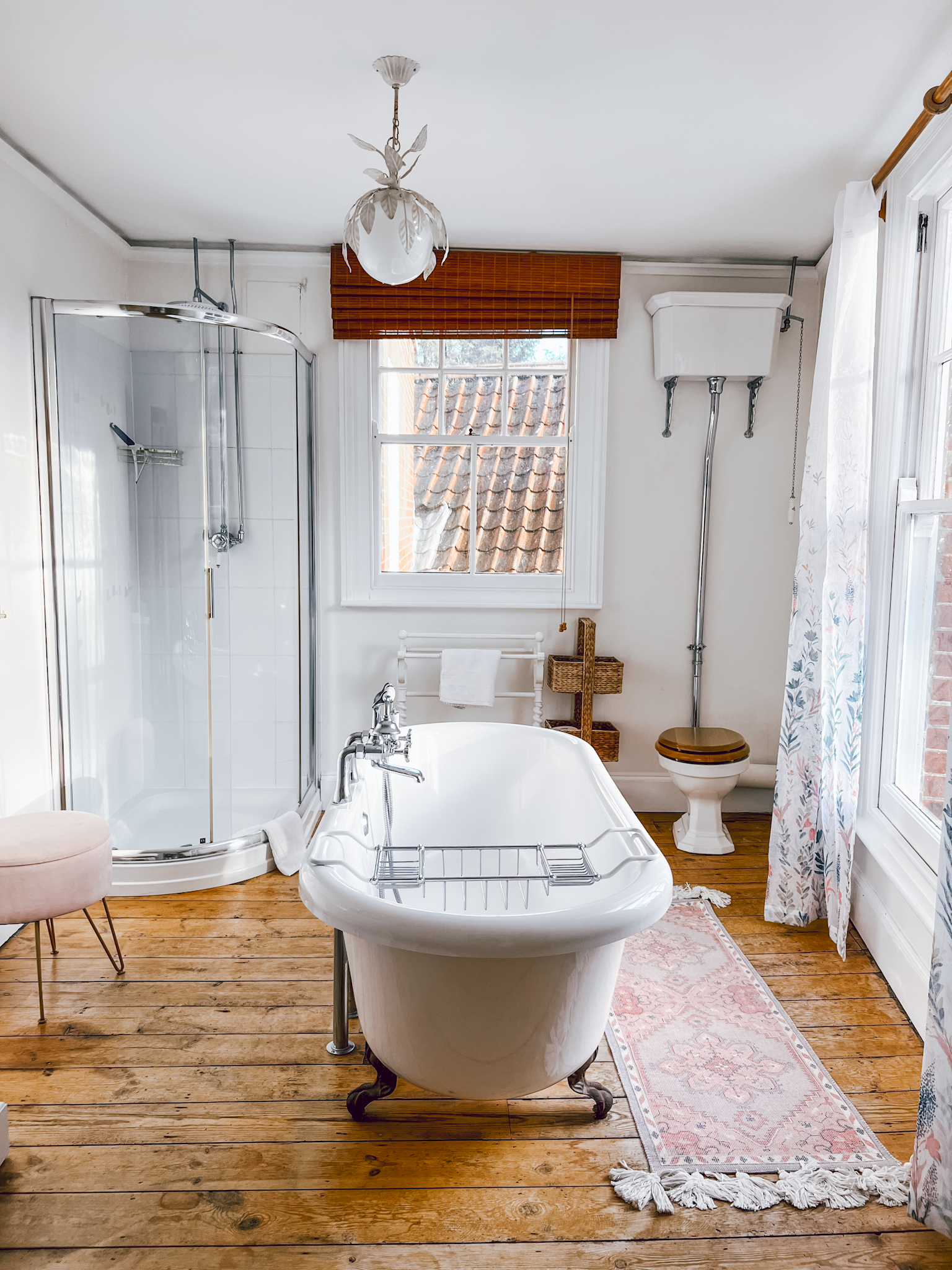
Making minor adjustments around high-traffic zones significantly reduces the chance of domestic injuries. Adding safety hardware to wet or elevated spaces stabilizes movement for everyone. According to the Australian Council on the Ageing, grab bars provide stable support, improve balance, and significantly reduce the likelihood of falls in wet areas.
Implementing physical changes takes minimal effort compared to recovering from an avoidable fall. Review your bathroom layouts and stairwells to see where extra support makes a tangible difference. Here is a quick checklist for layout modifications:
- Secure loose rugs: Apply non-slip backing underneath hallway runners to stop slips during busy mornings.
- Illuminate dark paths: Install nightlights along main corridors to guide family members safely after dark.
- Clear floor clutter: Keep walkways free from toys and shoes to maintain unobstructed movement paths.
Protecting your household relies on consistent observation, timely repairs, and professional partnerships that manage complex risks. Taking small steps today builds a secure environment where your family grows safely for years ahead. Enjoy the confidence that comes from living in a thoroughly protected home.
Check out my article on my family home office, for decor inspiration.